
Zero Waste Dishwashing: A Healthier Way to Clean Naturally
May 19, 2025

You’ve heard of spring cleaning—but have you heard of sponge shaming?
Here’s a dirty little secret: your kitchen sponge could be hosting more bacteria than your toilet seat (yes, really). In the heat of summer—when we’re blending smoothies, slicing fruit, and scrubbing out sticky glasses—those damp, plastic sponges become a microscopic jungle.
So… what’s actually clean? That’s where we come in.
Why You Can Trust Us:
We’ve helped thousands of homes ditch bacteria-trapping plastic in favor of natural, breathable materials like copper, tampico fiber, and coconut husk.
Every brush, scrubber, and soap dish we offer is designed to reduce waste and keep your kitchen truly clean— without the funk.
We study the science behind microplastics, bacterial growth, and eco-cleaning habits , so you can spend less time researching and more time enjoying a fresh, healthy space.
Ready to turn your sink routine into a summer ritual?
Table of Content
The Dirty Truth About Your Dishwashing Sponge
Discover why switching to natural tools is the smarter, cleaner choice for your kitchen.
The Dirty Truth
A 2017 study revealed kitchen sponges can host over 362 different bacteria species. That’s more than what lives on your toilet seat. The sponge’s damp, porous structure creates the perfect home for microbes, especially in warm months.
Benefits:
- Natural tools dry faster and trap less moisture
Reduce bacteria and odors in the kitchen
Safer for your health and the environment
Bonus Tip: Soak brushes in vinegar weekly to disinfect and extend their life.

Why Plastic Sponges Fall Short
Plastic might be cheap, but it’s costing your health and the planet. Most conventional sponges are made from polyurethane—a plastic derived from petroleum. These not only shed microplastics into your sink, but also head straight to landfills.
Benefits:
- Natural materials like coconut and tampico are biodegradable
- No microplastics leaching into your water or food
- Look better, work harder, and last longer

Zero-Waste Dishwashing Favorites
Tools That Actually Clean
Introducing the Zero-Waste Dishwashing Kit —a thoughtfully assembled collection of plastic-free, bacteria-resistant tools designed to completely upgrade your sink routine. This isn’t just a replacement for your sponge; it’s a full system swap for anyone ready to clean smarter. Each item in the kit serves a specific purpose, reducing waste while increasing performance—offering a better, healthier, and more beautiful way to keep your kitchen sparkling clean.
Copper Pot Scrubbers
These durable copper scrubbers are naturally antimicrobial, meaning they help inhibit the growth of bacteria even after repeated use. They’re tough enough to tackle baked-on food and stubborn grease, but gentle enough to protect your pots and pans from scratching. A long-lasting, rust-resistant alternative to steel wool or synthetic scrub pads.

100% Coconut Pan Scraper
Handcrafted from discarded coconut shells, this pan scraper is fully compostable and safe to use on all types of cookware, including nonstick. Its rigid edge makes it perfect for lifting dried food or sticky residue without scratching surfaces. A zero-waste essential that turns natural waste into practical function.

Tampico Fiber Brushes
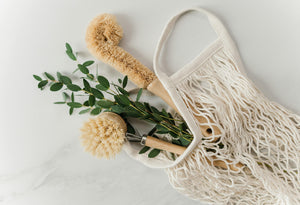
Made from the agave plant, these firm yet flexible bristles are ideal for scrubbing without shedding or fraying. Naturally resistant to heat and moisture, they dry faster than plastic brushes, preventing mildew buildup. Their ergonomic wooden handles make them as comfortable as they are effective.

Copper Cleaning Beads
Designed for narrow-mouthed vessels like bottles, decanters, and champagne flutes, these copper beads swirl with water to scrub away residue in hard-to-reach places. Reusable and chemical-free, they offer an elegant solution for sparkling clean glassware without brushes or soaps.

Ceramic Soap Dish
Made from traditional Bolesławiec Polish pottery, this ceramic soap dish isn’t just beautiful—it’s functional. The raised ridges and drainage holes keep your solid soap and brushes elevated and dry between uses, extending their lifespan and preventing soggy buildup at the sink.

Eco-Friendly Dishwashing Favorites
How to Start a Zero Waste Dishwashing Ritual
Establishing a zero waste dishwashing ritual isn't just about changing what you clean with—it's about changing how you clean. By transforming a daily chore into a mindful, enjoyable routine, you reduce waste, stress, and harmful bacteria all at once.
Turn dish time into downtime by making it more intentional and sensory. Start by decluttering the sink area and creating a calming environment. Swap bright plastic tools for warm wood and natural fibers. Play music, diffuse essential oils, or crack a window for fresh air. When your tools feel good to use, cleaning becomes a grounding ritual instead of a rushed task.
Benefits:
- Reduces daily stress
Keeps tools (and your space) fresh
Connects you to a simpler, more sustainable lifestyle

Conclusion
When it comes to creating a healthier home, the smallest swaps can have the biggest impact. Plastic sponges may be familiar, but they’re quietly contributing to waste, bacteria buildup, and environmental harm. Choosing a zero waste dishwashing kit means choosing better materials, longer-lasting tools, and a lifestyle that supports both your health and the planet.
Here’s what you gain when you make the switch:
1. A cleaner, bacteria-resistant sink space
2. Tools that dry faster and last longer
3. Less plastic in your home and in the landfill
4. Peace of mind knowing your cleaning habits support sustainability
5. A simple daily ritual that brings calm instead of clutter
From the first scrub to the final rinse, your daily dish routine can now be part of something bigger—something cleaner, simpler, and more sustainable.
Products Featured In This Blog
Frequently Asked Questions
How long do natural dish brushes last?
When cared for properly—meaning they’re rinsed, dried thoroughly, and soaked in vinegar weekly—natural brushes can last 3 to 6 months or longer. They’re far more durable than synthetic sponges, and don’t get smelly or slimy as quickly.
Are the copper scrubbers safe for nonstick pans?
Copper is best suited for stainless steel and cast iron surfaces. We do not recommend using it on nonstick cookware, as it may damage the protective coating. For nonstick surfaces, opt for a tampico or coconut fiber brush instead.
Can I compost my coconut scraper?
Absolutely! Our coconut pan scrapers are made from reclaimed coconut shells and are fully compostable at home. When they reach the end of their life, simply toss them in your green bin or backyard compost pile.
How should I clean and maintain my dishwashing tools?
Rinse your brushes thoroughly after each use and allow them to air dry completely. Once a week, soak them in a cup of white vinegar for 15–30 minutes to disinfect and deodorize naturally. Avoid leaving brushes in standing water or enclosed spaces.


